Japanese entertainment site Magmix has compared the manga and anime versions of three characters whose looks changed greatly in adaptation: Nanako from Crayon Shin-chan, Goemon Ishikawa from Lupin III and Sawa Nakamura from The Flowers of Evil. The Magmix feature, carried on Yahoo! News Japan, describes differences in both design and personality.
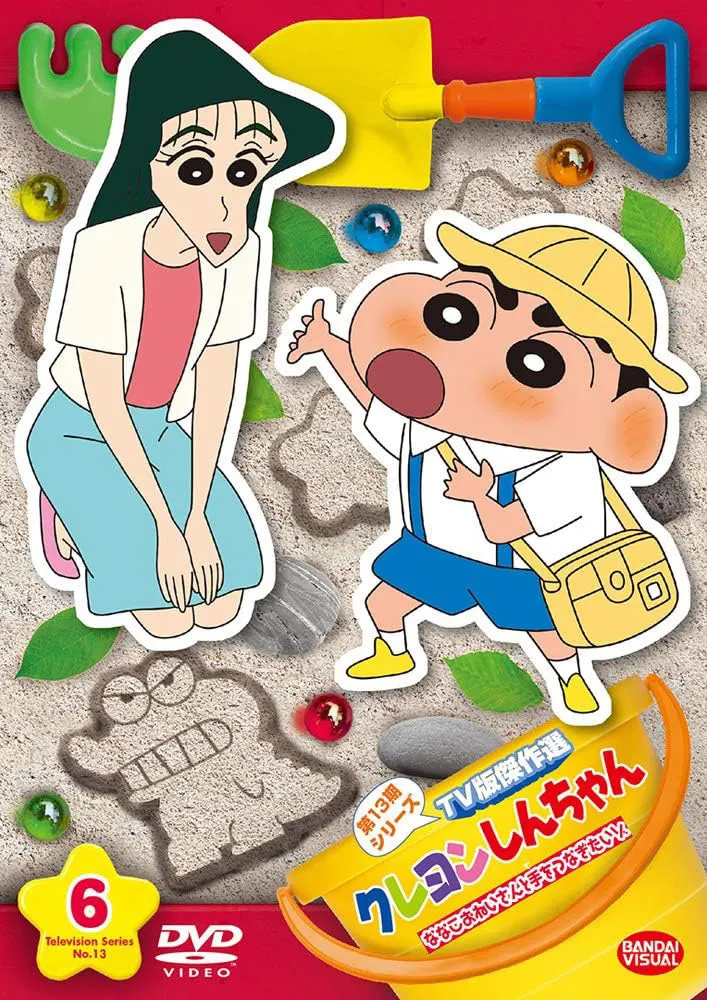
In the Crayon Shin-chan anime, Nanako (大原ななこ) is the college student Shinnosuke adores. She has long black hair with wispy bangs and a gentle manner, and Magmix compares her to the traditional yamato nadeshiko feminine ideal. In the original manga, she has long brown hair and a somewhat gyaru look. Her personality is also more blunt, and she often calls Shinnosuke by his name without an honorific. Magmix sums up the contrast as a "Bubble-era beauty" in the anime and a "Heisei gyaru" in the manga.
The feature says Monkey Punch's Goemon also differs noticeably between versions. Anime portrayals vary from one production to another, but Magmix describes the common image as a sharp-eyed, taciturn swordsman who speaks in an old-fashioned way. The manga Goemon is a young man with thick eyebrows and round eyes. He calls himself "ore" or "watashi" instead of the archaic "sessha" or "soregashi," and comes across as cheerful, friendly and a good-natured young master. Magmix notes that the anime version also has a playful side. In the second TV series, he laughs and points after making Lupin draw the old maid in a card game.
In Shūzō Oshimi's The Flowers of Evil (Aku no Hana), middle schooler Takao Kasuga steals the gym clothes of a classmate he admires, which leads to a strange relationship with Sawa Nakamura, a girl the other students dislike. According to Magmix, the manga Sawa has reddish bob-cut hair and glasses. The 2013 TV anime was made entirely with rotoscoping, which is based on live-action footage, so its characters have realistic faces and builds. Magmix says online opinion split over the anime Sawa. Some commenters wished the anime had used the manga's art, while others called the change an improvement. The story was later adapted as a live-action film in 2019 and a live-action drama in 2026, the feature notes.